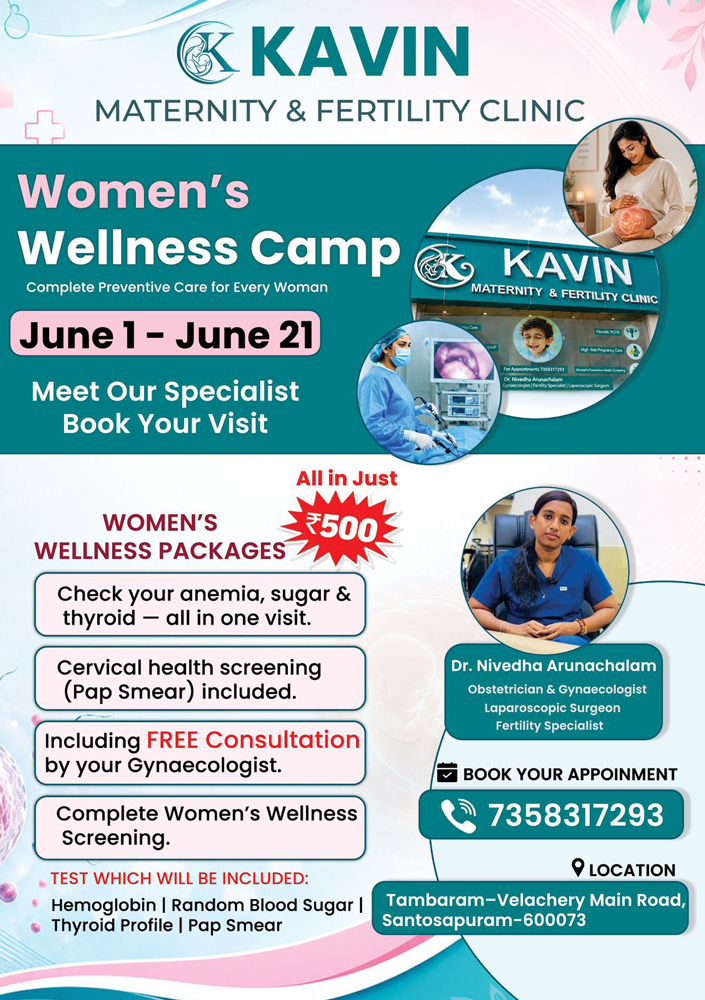
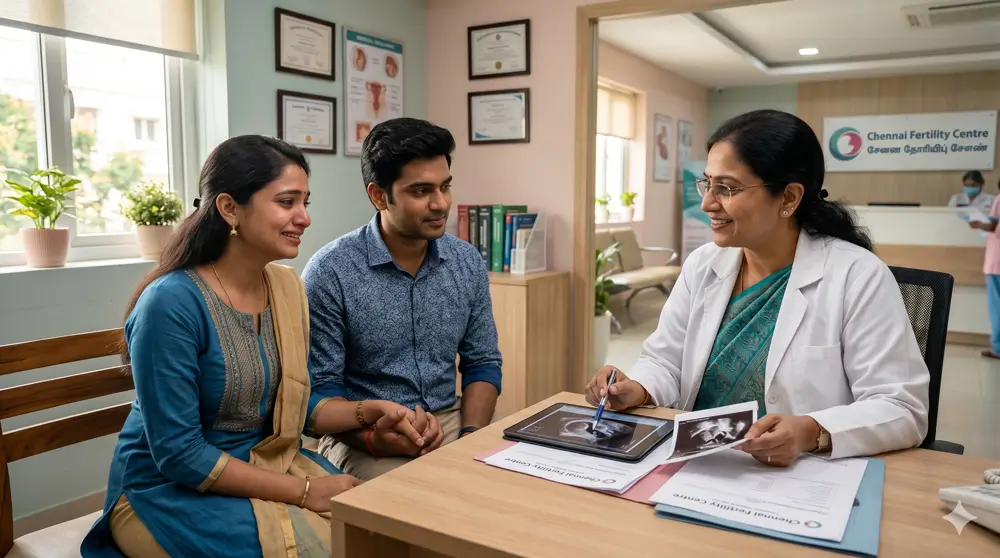
One of the most thrilling and transformative events is becoming pregnant, but becoming a mother involves more than simply ceasing birth control. In order to ensure that both parents are as healthy as possible for the unborn child and to assist prepare the body for conception, preconception care is a crucial step for both men and women who are planning a pregnancy. Taking care of your health before being pregnant can improve your chances of becoming pregnant, lower your risk of pregnancy issues, and give your unborn child the best start in life. Everything you need to know about fertility preparation, preconception care, and what to do before attempting to conceive will be covered in this guide. Pregnancy planning in Chennai starts with the right preconception care. At Kavin Maternity & Fertility Clinic, our pregnancy planning Chennai specialists guide couples through every step of their journey to parenthood — from preconception health checks to safe delivery.
1. Achieve a Healthy Lifestyle Before Pregnancy
Before trying to conceive, it’s important to ensure that your body is in the best possible shape. Adopting a healthy lifestyle can improve fertility and increase the chances of a successful pregnancy.
Healthy Eating:
Both your health and the health of your unborn child depend on a healthy diet full of fruits, vegetables, complete grains, and lean proteins. Folic acid supplements are essential for lowering the chance of birth problems in the baby’s brain and spine, so be sure to take them. Steer clear of junk food, alcohol, and excessive coffee as they can harm fertility.
Regular Exercise:
Maintaining an active lifestyle can help control hormones and enhance general health. Avoid overdoing it, though, as being underweight or engaging in extreme activity might occasionally impair fertility.
Weight Management:
A healthy weight is necessary for a good pregnancy. Ovulation and hormone balance can be disrupted by being either underweight or overweight. To maximize fertility, aim for a body mass index (BMI) within the normal range.
2. Stop Smoking and Avoid Toxins
Pregnancy and fertility can be significantly impacted by alcohol, tobacco, and recreational drugs. Smoking raises a woman’s risk of miscarriage, early birth, and low birth weight in addition to decreasing her chances of becoming pregnant. Additionally, men who smoke may have lower-quality sperm, which may have an impact on fertility.
Now is the time to give up smoking, cut back on alcohol, and stay away from dangerous substances like lead, solvents, and pesticides if you intend to become pregnant. A better pregnancy journey can be ensured by limiting exposure to environmental contaminants.
3. Get a Preconception Check-Up
Before trying to conceive, schedule a preconception check-up with your healthcare provider. This visit is essential for identifying any potential health issues that could affect your ability to conceive or lead to complications during pregnancy. Your doctor will:
- Review your medical history and current medications.
- Test for common infections (like rubella, STDs, and chickenpox) and ensure you are up-to-date on vaccinations.
- Check your blood pressure, cholesterol levels, and overall physical health.
- Assess genetic conditions (if applicable), especially if there is a family history of hereditary disorders.
Addressing any health concerns before pregnancy will help ensure that you are in the best possible condition for conception and childbirth.
4. Track Ovulation and Understand Fertility
Understanding your fertility cycle is an important step in planning pregnancy. Women are most fertile during ovulation, which occurs around the middle of their menstrual cycle. By tracking ovulation, you can increase your chances of getting pregnant.
There are several methods to track ovulation, such as:
- Ovulation predictor kits that detect hormone surges.
- Basal body temperature (BBT) charting to track temperature shifts.
- Cervical mucus observation to notice changes in consistency.
Knowing when you ovulate and having regular intercourse during those peak fertility days can improve your chances of conception.
5. Manage Stress and Mental Health
Stress can negatively impact fertility, and it can also lead to pregnancy complications if not managed properly. It’s essential to focus on mental health before pregnancy by adopting stress-reduction techniques such as:
- Mindfulness meditation
- Yoga or relaxation exercises
- Adequate sleep
- Spending time with loved ones
Taking care of your mental health can improve both your emotional well-being and your fertility, making it easier for you to conceive.
6. Consider Genetic Counseling (If Needed)
If you or your partner have a family history of genetic disorders or inherited conditions, it may be helpful to undergo genetic counseling before trying to conceive. Genetic counseling can help assess the risks of passing on certain conditions and discuss potential options for prenatal testing and care.
Pregnancy Planning in Chennai — Consult Kavin Clinic
For expert pregnancy planning in Chennai, visit Kavin Maternity & Fertility Clinic. Our pregnancy planning Chennai specialists — led by Dr. Nivedha Arunachalam — provide comprehensive preconception care, fertility evaluation, folic acid supplements and complete maternity services. Start your pregnancy planning in Chennai today — call 073583 17293 or visit kavinclinic.com to book your preconception consultation.
Conclusion
Pregnancy planning is an exciting journey, but in order to guarantee a healthy start, preventive measures must be taken. You can improve your chances of conception and encourage a healthy pregnancy by concentrating on preconception care, which includes adopting a healthy lifestyle, cutting back on unhealthy behaviors, controlling stress, and consulting a doctor. In addition to helping you and your spouse, the preparation you do today will set the groundwork for a robust, healthy start for your child.