Healthy Pregnancy Diet: Best Foods to Eat for You and Your Baby
Pregnancy is one of the most important stages in a woman’s life, and good nutrition plays a vital role in supporting the health of both mother and baby. Eating a balanced, nutrient-rich diet provides the vitamins, minerals, and energy needed for your baby’s growth and development while helping you stay healthy throughout pregnancy.
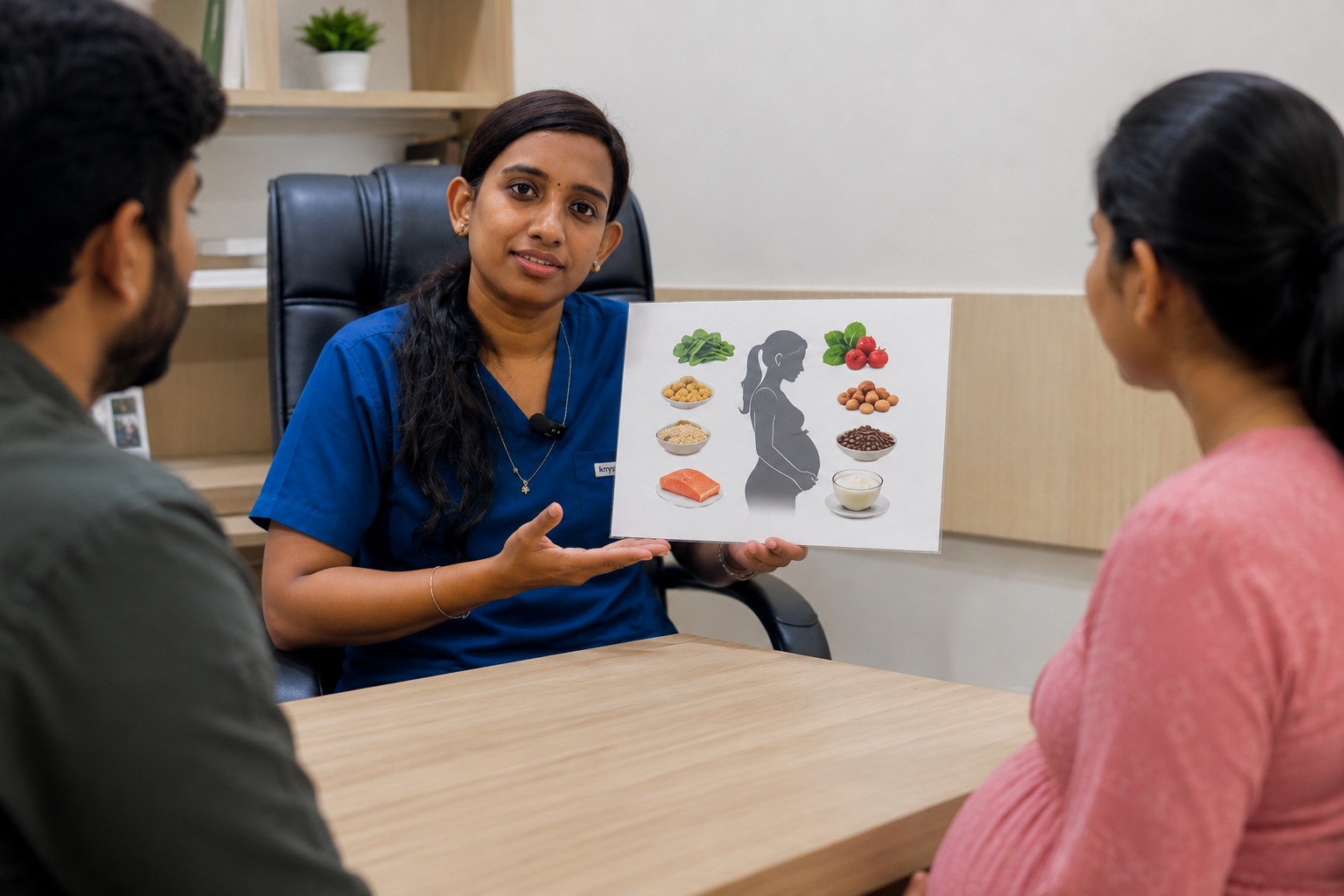
At Kavin Maternity & Fertility Clinic, Dr. Nivedha Arunachalam provides personalised nutritional guidance throughout every stage of pregnancy, helping expectant mothers make informed food choices based on their individual health needs.
This guide explains the essential nutrients required during pregnancy, healthy foods to include in your diet, foods to avoid, and simple dietary tips for a healthy pregnancy.
Why Is Good Nutrition Important During Pregnancy?
Your baby depends entirely on you for the nutrients needed for healthy growth and development. A balanced diet during pregnancy helps:
- Support your baby’s brain and nervous system development
- Promote healthy bone and tooth formation
- Help reduce the risk of certain birth defects when adequate folic acid is taken before conception and during early pregnancy
- Support appropriate fetal growth
- Improve maternal immunity
- Reduce the risk of iron deficiency anaemia
- Help maintain healthy amniotic fluid levels
- Support your health during pregnancy and recovery after childbirth
Regular antenatal check-ups, along with good nutrition, contribute to a healthier pregnancy for both mother and baby.
Essential Nutrients During Pregnancy
- Folic Acid
Folic acid is one of the most important nutrients during pregnancy. It helps in the healthy development of your baby’s brain and spinal cord and reduces the risk of neural tube defects.
Good sources include:
- Spinach
- Broccoli
- Green leafy vegetables
- Citrus fruits
- Beans
- Lentils
- Fortified cereals
Women planning pregnancy are usually advised to start folic acid supplementation before conception and continue during early pregnancy, as recommended by their doctor.
- Iron
Iron helps your body produce more blood to supply oxygen to your growing baby. Low iron levels can lead to anaemia, fatigue, and increase the risk of pregnancy complications.
Iron-rich foods include:
- Lean meat
- Chicken
- Low-mercury fish
- Lentils
- Chickpeas
- Beans
- Green leafy vegetables
- Iron-fortified cereals
Vitamin C-rich foods such as oranges, guava, amla, and lemons help improve iron absorption.
- Calcium
Calcium supports the healthy development of your baby’s bones and teeth while protecting your own bone health.
Good sources include:
- Milk
- Curd
- Paneer
- Yogurt
- Cheese
- Sesame seeds
- Almonds
- Ragi
Vitamin D helps the body absorb calcium effectively. Your doctor may recommend calcium and vitamin D supplements if required.
- Protein
Protein is essential for the growth of your baby’s organs, muscles, and tissues. Your protein requirements increase as pregnancy progresses.
Protein-rich foods include:
- Eggs
- Chicken
- Low-mercury fish
- Paneer
- Milk
- Lentils
- Soy products
- Sprouts
- Nuts
Aim to include a protein-rich food in every major meal.
- Healthy Fats
Healthy fats, particularly Omega-3 fatty acids (DHA), support your baby’s brain and eye development.
Healthy sources include:
- Walnuts
- Almonds
- Flaxseeds
- Chia seeds
- Avocados
- Olive oil
Consume healthy fats in moderation as part of a balanced diet.
- Fibre
Pregnancy hormones can slow digestion, making constipation a common concern.
Fibre-rich foods include:
- Whole grains
- Oats
- Fruits
- Vegetables
- Beans
- Brown rice
Drink adequate fluids along with a fibre-rich diet to support healthy digestion.
- Fruits and Vegetables
Fresh fruits and vegetables provide essential vitamins, minerals, antioxidants, and fibre.
Choose a colourful variety every day, including:
- Apples
- Bananas
- Oranges
- Guava
- Pomegranate
- Ripe papaya (in moderation)
- Carrots
- Tomatoes
- Cucumbers
- Pumpkin
Avoid unripe or semi-ripe papaya. Always wash fruits and vegetables thoroughly before eating.
Healthy Snacks During Pregnancy
Healthy snacks help maintain energy levels between meals.
Good snack options include:
- Mixed nuts
- Fresh fruits
- Boiled eggs
- Sprouts salad
- Yogurt with fruits
- Roasted chickpeas
- Whole-grain vegetable sandwiches
- Homemade smoothies
Limit processed snacks that are high in sugar, salt, and unhealthy fats.
Foods to Avoid During Pregnancy
Certain foods may increase the risk of infections or other pregnancy-related complications.
Avoid:
- Raw or undercooked meat
- Raw seafood and shellfish
- High-mercury fish
- Unpasteurised milk and dairy products
- Raw or undercooked eggs
- Alcohol
- Smoking, tobacco, and recreational drugs
- Excess caffeine (limit caffeine intake to less than 200 mg per day)
- Processed junk foods
- Soft cheeses made from unpasteurised milk
- Unwashed fruits and vegetables
If you are unsure whether a particular food is safe during pregnancy, discuss it with your obstetrician.
Importance of Staying Hydrated
Adequate hydration is essential throughout pregnancy.
Drinking enough fluids helps:
- Maintain healthy amniotic fluid levels
- Prevent constipation
- Support digestion
- Improve blood circulation
- Reduce the risk of urinary tract infections
Most pregnant women benefit from around 2–3 litres of fluids daily, although individual requirements may vary. Follow your doctor’s advice if you have any medical conditions requiring fluid restriction.
Tips for Managing Morning Sickness
Morning sickness is common during the first trimester.
You may find these measures helpful:
- Eat small, frequent meals
- Avoid oily or spicy foods if they worsen your symptoms
- Drink fluids between meals
- Eat plain crackers before getting out of bed
- Ginger may help relieve mild nausea in some women
If vomiting is severe, persistent, or you are unable to keep food or fluids down, seek medical attention promptly.
Common Pregnancy Nutrition Mistakes
Pregnancy increases your nutritional requirements, but it does not mean you need to “eat for two.”
Avoid these common mistakes:
- Skipping breakfast
- Eating excessive sweets
- Drinking sugary beverages
- Following crash diets
- Avoiding healthy fats
- Taking supplements without medical advice
- Eliminating entire food groups without medical guidance
A balanced, nutrient-rich diet is more beneficial than simply eating more food.
Frequently Asked Questions
Do I need to eat for two during pregnancy?
No. Pregnancy increases your nutritional needs, but the focus should be on eating a balanced, nutrient-rich diet rather than consuming excessive calories.
Can I drink coffee during pregnancy?
Yes, but caffeine intake should generally be limited to less than 200 mg per day. Speak with your obstetrician if you have any concerns.
Is it safe to eat seafood during pregnancy?
Yes. Low-mercury fish can be included as part of a healthy pregnancy diet. Avoid raw seafood and fish known to contain high levels of mercury.
Should I take vitamin supplements?
Many women are advised to take folic acid, iron, calcium, and vitamin D supplements during pregnancy. Your doctor will recommend supplements based on your individual needs.
Can I continue eating spicy food?
Yes, provided it does not cause heartburn or digestive discomfort. Choose foods that suit your body and discuss any dietary concerns with your doctor.
When Should You Consult Your Obstetrician?
Seek medical advice if you experience:
- Severe or persistent vomiting
- Inability to eat or drink adequately
- Signs of dehydration
- Sudden weight loss
- Persistent abdominal pain
- Swelling of the face or hands
- Reduced fetal movements (later in pregnancy)
- Any unusual symptoms or concerns
Regular antenatal visits allow your doctor to monitor your health, assess your baby’s growth, and provide personalised dietary guidance.
Why Choose Kavin Maternity & Fertility Clinic?
At Kavin Maternity & Fertility Clinic, we believe that good nutrition is the foundation of a healthy pregnancy. Dr. Nivedha Arunachalam provides comprehensive antenatal care, personalised pregnancy nutrition counselling, routine maternal and fetal monitoring, and evidence-based guidance tailored to your individual needs.
Whether you are planning your pregnancy, expecting your first child, or managing a high-risk pregnancy, we are committed to providing safe, ethical, and patient-centred care throughout your journey.
Conclusion
A healthy pregnancy begins with healthy eating. Choosing a balanced, nutrient-rich diet, staying well hydrated, attending regular antenatal check-ups, and following your doctor’s advice can support the health of both mother and baby. Since every pregnancy is unique, personalised nutritional guidance can help ensure the best possible outcomes.
Disclaimer
This article is intended for educational purposes only and should not replace professional medical advice, diagnosis, or treatment. Nutritional requirements vary depending on your medical history, stage of pregnancy, and overall health. Please consult a qualified obstetrician or gynaecologist for personalised dietary advice and pregnancy care.