Introduction
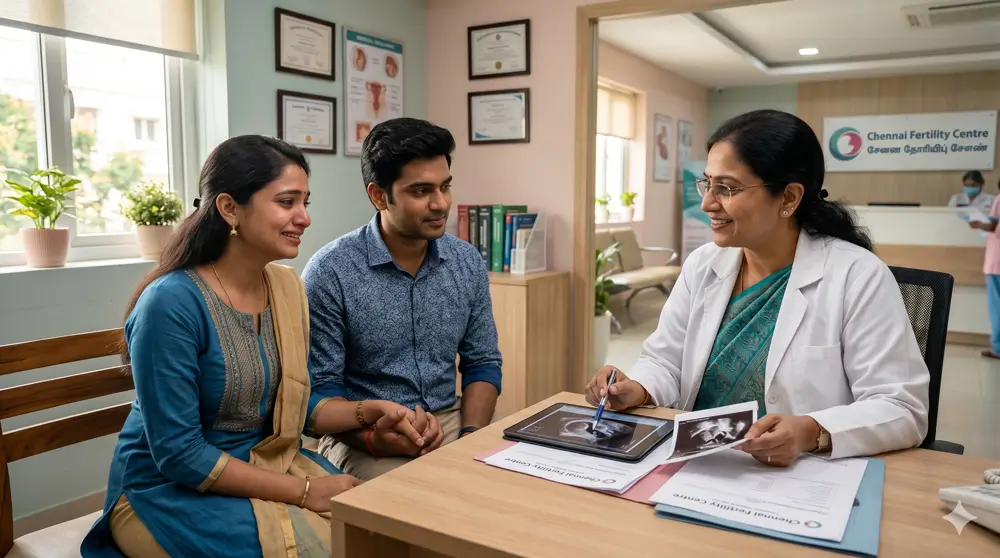
Seeing a fertility specialist in Chennai at the right time can make all the difference in your journey to parenthood. At Kavin Maternity & Fertility Clinic, our fertility specialist in Chennai provides expert diagnosis and personalised treatment for every couple struggling with infertility.
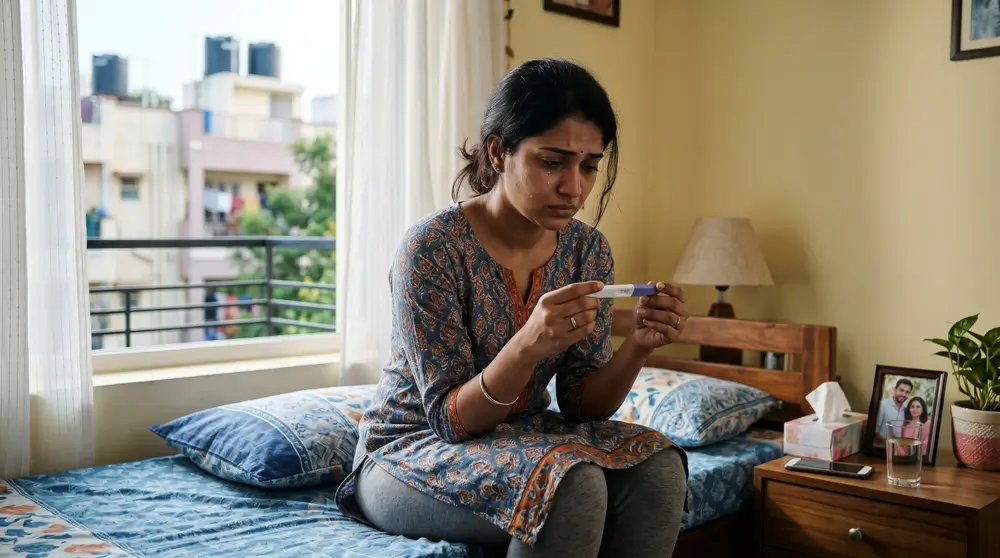
Infertility can be an incredibly personal and emotional journey. Whether you’ve been trying to get pregnant for a few months or you’ve been trying for years, it’s important to know when you should see a fertility specialist. Infertility isn’t limited to women with certain health problems; many women can experience trouble conceiving for a host of reasons. If you’ve been having trouble getting pregnant, a fertility specialist can provide you with the support and treatment options that may help you get pregnant.
When should you consider going to a fertility doctor? In this blog, we will explore the major signs that suggest it’s time to see a professional and how a fertility specialist can guide you on your journey to parenthood.
When to Consider Seeing a Fertility Specialist
Each woman’s fertility journey is different and there is no “one-size-fits-all” timeline for seeking medical help. However, there are some signs that it might be time to consider seeing a fertility specialist. If you have been trying to get pregnant and have not been successful , a fertility specialist can offer the medical tests , treatments and advice needed to help determine possible problems and solutions .
You’ve Been Trying to Conceive for Over a Year
For women under 35, difficulty getting pregnant after 12 months or more of trying is a common signal to go to a fertility specialist. Generally, for women over the age of 35, this time frame is reduced to 6 months. Age can affect fertility, so if you are over 35 years old and have not managed to get pregnant after several months of trying, then it is important to see a specialist sooner.
Irregular Menstrual Cycles or Absence of Periods
If you have irregular menstrual cycles or your periods stop, it could be a sign of underlying hormonal imbalances or health issues that may affect fertility. Irregular menstrual cycles and fertility issues can be caused by polycystic ovary syndrome (PCOS) or hypothyroidism. If you notice any drastic changes in your menstrual cycle, it is important to see a fertility specialist for proper diagnosis and treatment.
Experiencing Pain During Intercourse or Menstruation
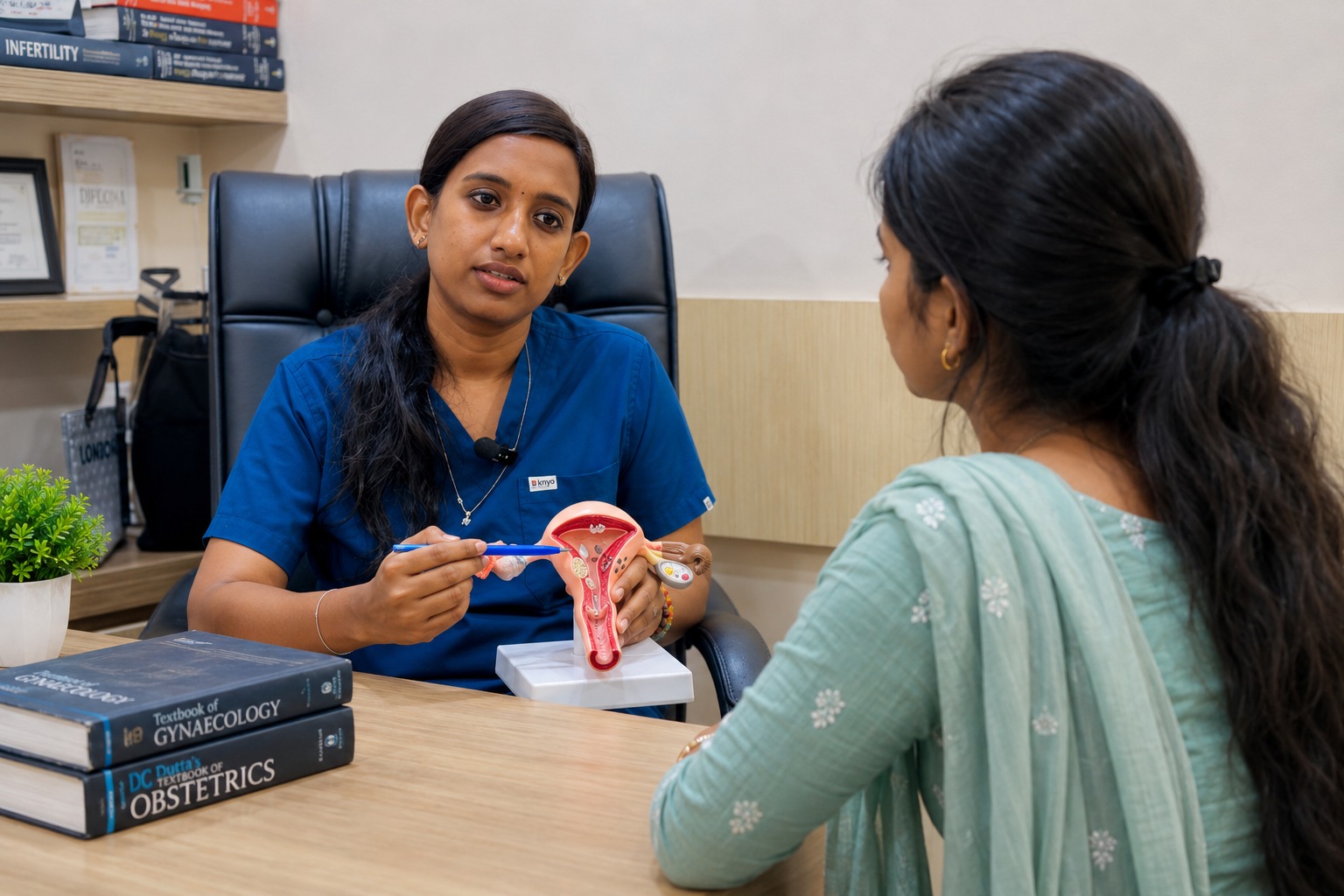
Painful periods or pain during sex could be indicators of conditions like endometriosis or fibroids, which can make it difficult to get pregnant. Take endometriosis, for example, a condition where tissue similar to that lining the uterus grows outside the uterus, causing pain and often affecting fertility. If you experience extreme pain during your period or sex, it may be worth consulting a fertility specialist to determine whether these challenges are affecting your ability to conceive.
History of Miscarriages
Had more than one miscarriage? That’s a big sign it’s time to see a fertility specialist. Recurrent miscarriages can be caused by a number of factors including genetic factors, immune system problems or problems with the uterus. A fertility doctor can help identify the causes and suggest appropriate treatments or therapies to improve the chances of a successful pregnancy in future.
Your Partner Has Fertility Issues
Many women focus on their own reproductive health, but male fertility is equally important in conception. If your partner has had fertility problems such as low sperm count or problems with sperm movement, you should go to a fertility specialist for help. Many fertility clinics will test male fertility and be able to offer treatment options to assist with issues.
Age-Related Concerns
The chance of having a baby naturally decreases with age because the number and quality of eggs decline. If you are trying to get pregnant and are over 35 years of age, you should see a fertility specialist after a few months of trying. A fertility doctor can help you assess your reproductive health and discuss treatment options, such as egg freezing, IVF or other fertility procedures.
You’ve Had Health Issues That Can Affect Fertility
Some health conditions can affect a woman’s ability to get pregnant, including diabetes, obesity, autoimmune diseases or ovarian cysts. If you have a history of medical conditions that could impact your fertility, it is best to consult with a fertility specialist who can evaluate how your health may be impacting your chances of pregnancy and recommend treatment plans or interventions.
What a Fertility Specialist Can Do for You
A fertility specialist is a doctor who specializes in diagnosing and treating infertility in both men and women. They can offer a wide range of services to help improve your chances of getting pregnant, including:
- Diagnostic tests to evaluate your reproductive health.
- Ovulation monitoring to track when you’re most fertile.
- Fertility treatments, such as intrauterine insemination (IUI) or in vitro fertilization (IVF).
- Medications to improve egg production, regulate ovulation, or improve sperm quality.
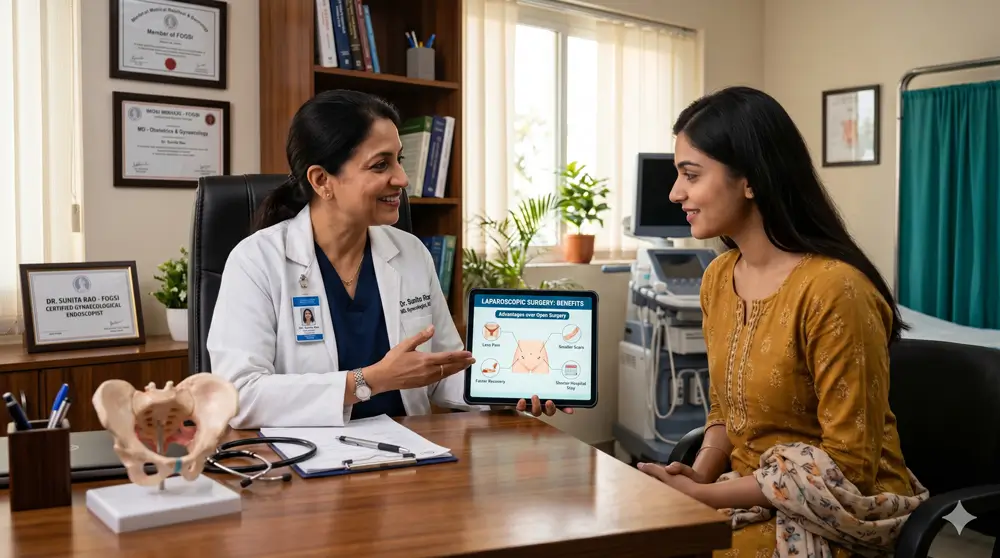
- Surgical options for correcting issues like blocked fallopian tubes or endometriosis.
Conclusion
Fertility issues can be complicated but knowing when to seek help is key to increasing your chances of conceiving. If you have been trying to get pregnant and haven’t had any success, it’s important that you see a fertility doctor to determine what’s causing the problem and talk over potential treatment options. Understanding the signs of infertility and getting professional advice early can improve your chances of building a family and allow you to start your fertility journey with confidence.
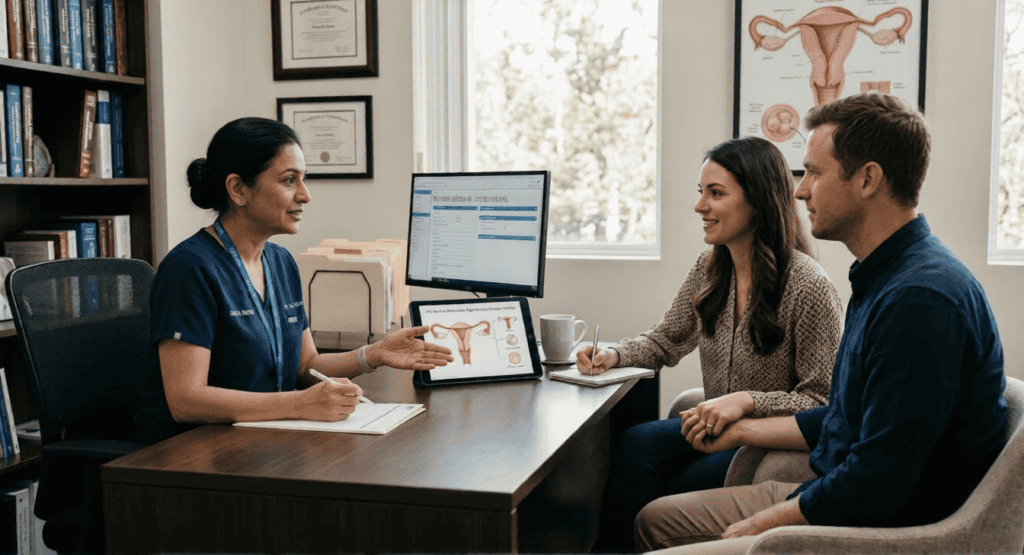
fertility specialist Chennai – Kavin Maternity and Fertility Clinic
Consult a Fertility Specialist in Chennai Today
If you are experiencing any of the signs mentioned above, it is time to consult a fertility specialist in Chennai. At Kavin Maternity & Fertility Clinic, our experienced fertility specialist in Chennai — Dr. Nivedha Arunachalam — provides comprehensive fertility evaluation, IVF, IUI, PCOS treatment and complete reproductive healthcare. Contact our fertility specialist in Chennai today: Call 07358317293 or visit kavinclinic.com to book your consultation.