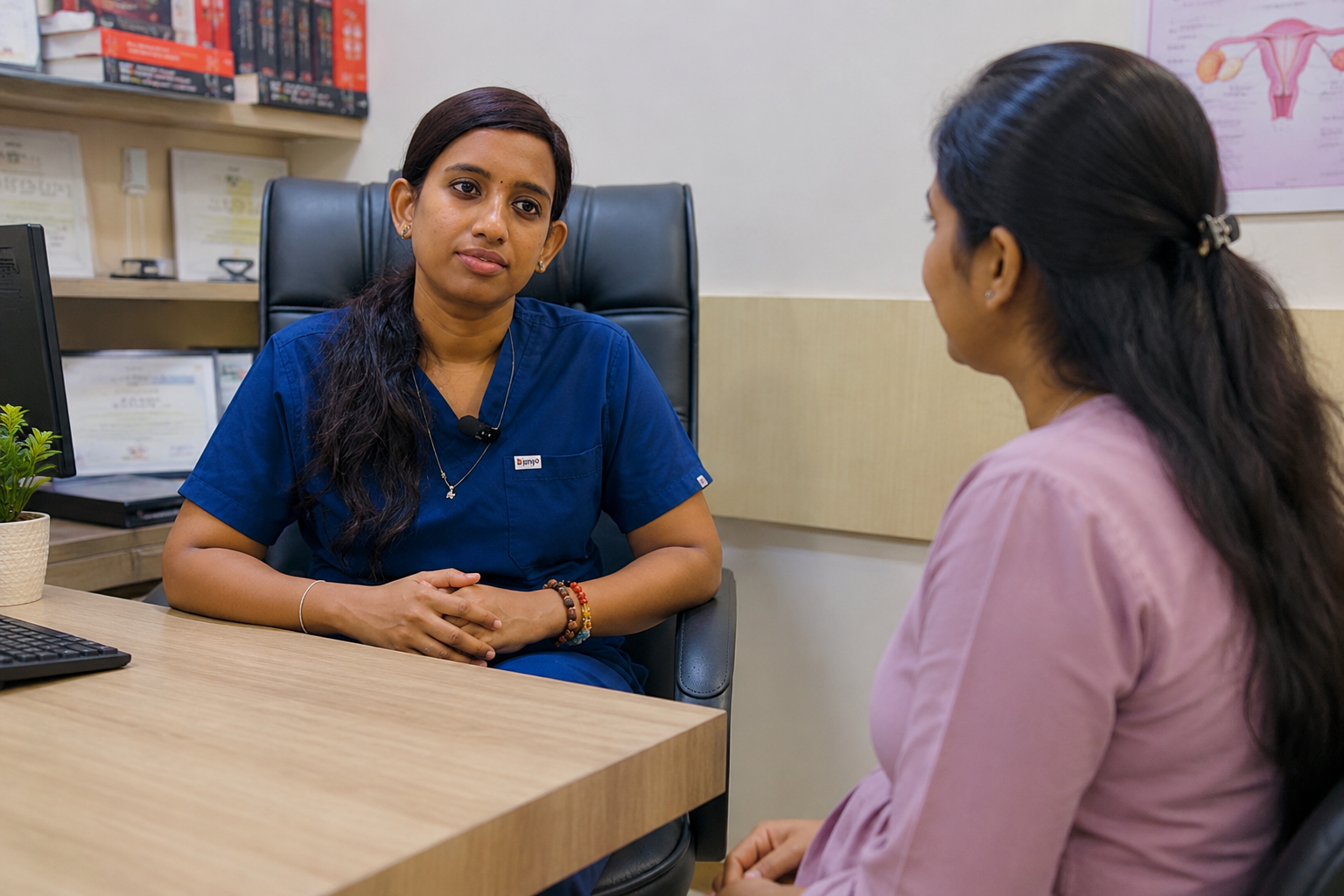
Pregnancy is a beautiful journey filled with excitement and anticipation. While many pregnancies progress smoothly, some require extra medical attention due to increased health risks for the mother, baby, or both. This is known as a high-risk pregnancy.
A high-risk pregnancy does not always mean something will go wrong. With proper medical care, early diagnosis, healthy lifestyle choices, and regular monitoring, many women successfully experience a safe pregnancy and healthy delivery.
Understanding the causes, warning signs, and preventive measures can help expectant mothers stay informed and prepared throughout their pregnancy journey.
What Is a High-Risk Pregnancy?
A high-risk pregnancy is one in which the mother or baby has a greater chance of developing health complications before, during, or after delivery.
Certain medical conditions, age-related factors, lifestyle habits, or pregnancy-related complications may increase the level of risk. In such cases, healthcare providers monitor the pregnancy more closely to ensure the safety of both mother and child.
Common Causes of High-Risk Pregnancy
Several factors can contribute to a pregnancy being classified as high risk.
1. Maternal Age
Pregnancy Above 35 Years
Women over 35 may face increased risks such as gestational diabetes, high blood pressure, and chromosomal abnormalities.
Teenage Pregnancy
Pregnancies in teenagers may carry higher risks of premature birth and low birth weight.
2. Pre-Existing Medical Conditions
Women with certain health conditions before pregnancy may require specialized care.
Common conditions include:
- Diabetes
- High blood pressure
- Thyroid disorders
- Heart disease
- Kidney disease
- Autoimmune disorders
3. Pregnancy-Related Complications
Some complications develop during pregnancy itself, including:
- Preeclampsia
- Gestational diabetes
- Placenta previa
- Multiple pregnancy (twins or triplets)
- Preterm labor
4. Lifestyle Factors
Certain lifestyle habits can increase pregnancy risks.
These include:
- Smoking
- Alcohol consumption
- Drug use
- Poor nutrition
- Excessive stress
5. Previous Pregnancy Complications
Women who previously experienced miscarriage, premature birth, cesarean delivery complications, or stillbirth may require closer monitoring in future pregnancies.
Warning Signs of a High-Risk Pregnancy
Recognizing symptoms early can help prevent serious complications.
Seek medical attention immediately if you experience:
Severe Headaches
Persistent headaches may indicate high blood pressure or preeclampsia.
Vaginal Bleeding
Bleeding during pregnancy should never be ignored.
Reduced Baby Movement
A noticeable decrease in fetal movement may require urgent evaluation.
Severe Abdominal Pain
Strong cramps or abdominal pain may indicate complications.
Swelling in Hands and Face
Sudden swelling can be a sign of preeclampsia.
Blurred Vision
Vision changes may indicate elevated blood pressure.
High Fever
Fever during pregnancy may signal infection.
Shortness of Breath
Difficulty breathing could point to underlying health concerns.
Possible Pregnancy Complications
High-risk pregnancies may increase the likelihood of certain complications.
For the Mother
- High blood pressure
- Gestational diabetes
- Excessive bleeding
- Premature labor
- Cesarean delivery
For the Baby
- Low birth weight
- Premature birth
- Growth restrictions
- Breathing difficulties
- Developmental complications
Early medical intervention can significantly reduce these risks.
How Doctors Monitor High-Risk Pregnancies
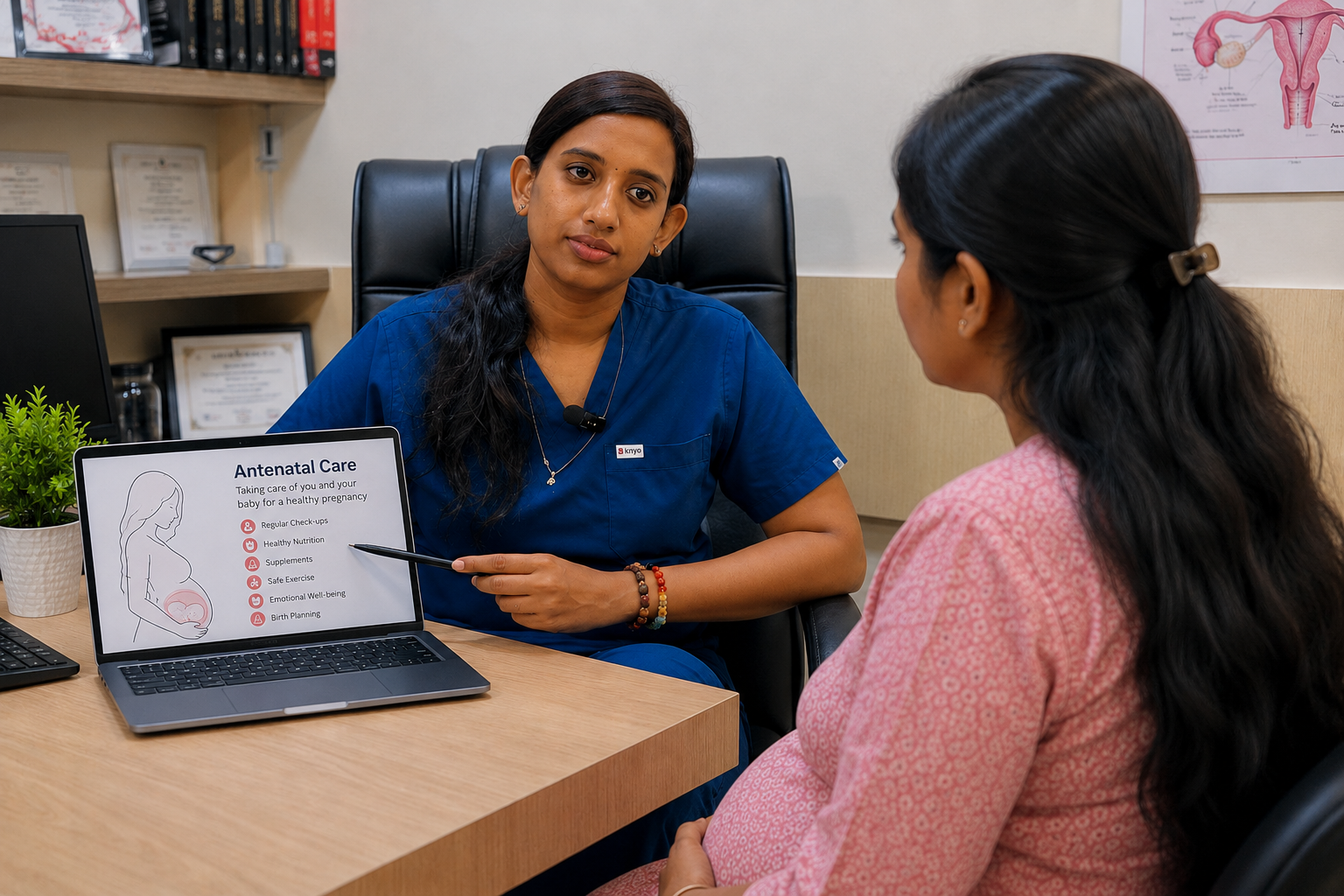
Women with high-risk pregnancies often receive additional prenatal care and tests.
Monitoring may include:
- Frequent prenatal visits
- Ultrasound scans
- Blood pressure monitoring
- Blood sugar testing
- Fetal heart monitoring
- Specialized screening tests
Regular checkups help doctors detect and manage complications early.
Tips to Ensure a Safe Delivery
Proper care and healthy habits play an important role in managing a high-risk pregnancy.
Attend All Prenatal Appointments
Regular medical visits help track the health of both mother and baby.
Follow Medical Advice Carefully
Take prescribed medications and follow dietary recommendations strictly.
Maintain a Healthy Diet
Eat nutrient-rich foods containing:
- Protein
- Iron
- Calcium
- Folic acid
- Vitamins
Stay Physically Active
Light exercise approved by your doctor can improve circulation and overall health.
Get Adequate Rest
Proper sleep and stress management are essential during pregnancy.
Avoid Harmful Substances
Do not smoke, drink alcohol, or use recreational drugs during pregnancy.
Monitor Baby Movements
Track fetal movements and report any sudden changes to your healthcare provider.
Importance of Emotional Support During High-Risk Pregnancy
A high-risk pregnancy can cause emotional stress and anxiety. Support from family members, healthcare professionals, and counselors can help mothers feel more confident and emotionally secure.
Mental well-being is just as important as physical health during pregnancy.
Can High-Risk Pregnancies Result in Normal Deliveries?
Yes. Many women with high-risk pregnancies successfully have healthy vaginal deliveries. However, in some cases, doctors may recommend a cesarean section if it is safer for the mother or baby.
The delivery method depends on:
- Maternal health
- Baby’s condition
- Pregnancy complications
- Gestational age
Close medical supervision helps determine the safest delivery plan.
High Risk Pregnancy Care in Chennai — Why Choose Kavin Clinic?
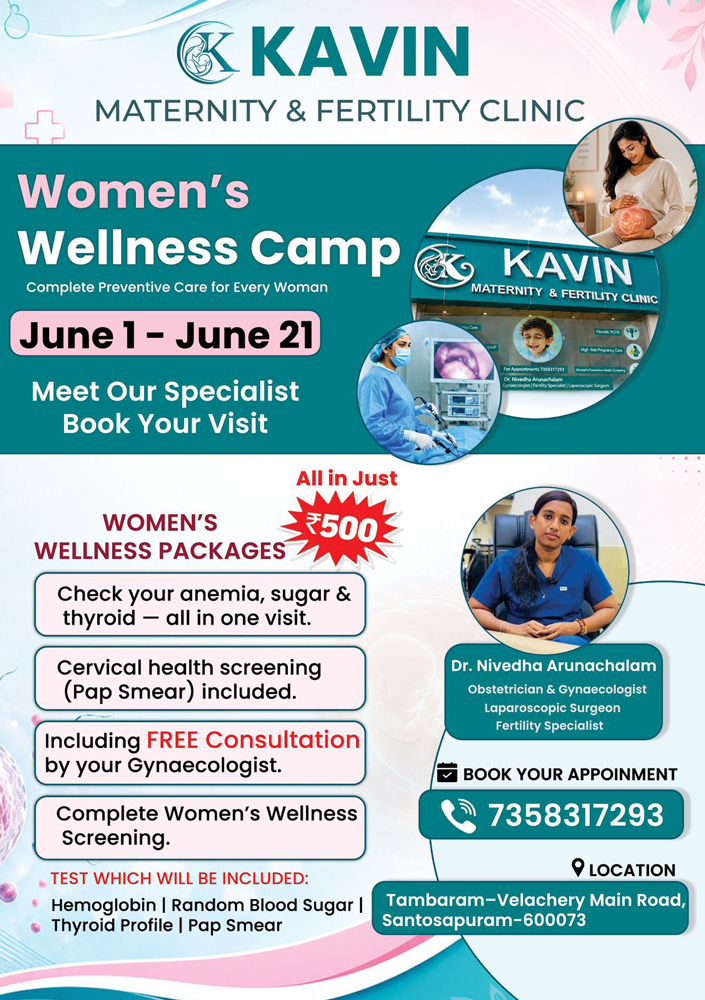
High risk pregnancy in Chennai requires specialist care and close monitoring. At Kavin Maternity & Fertility Clinic, our high risk pregnancy Chennai specialists provide advanced antenatal care, detailed scanning, and emergency support for every high risk pregnancy case. Our experienced team has successfully managed hundreds of high risk pregnancies in Chennai ensuring safe delivery for mother and baby. If you have a high risk pregnancy in Chennai, contact Kavin Maternity & Fertility Clinic today. Call 073583 17293 or visit kavinclinic.com to book your high risk pregnancy consultation in Chennai.
Conclusion
A high-risk pregnancy requires extra attention, but with proper medical care and timely monitoring, many women go on to deliver healthy babies safely. Understanding the causes, recognizing warning signs, and following professional medical guidance can greatly reduce complications.
If you suspect any unusual symptoms during pregnancy, never delay seeking medical attention. Early diagnosis and consistent prenatal care are the keys to ensuring a safer and healthier pregnancy journey for both mother and child. World Health Organization